In an era where fast-paced life, work stress and emotional fatigue have become common challenges, people are increasingly eager to find simple and effective ways to soothe their minds and boost positive emotions. Against this backdrop, “Dopamine Dressing” has exploded onto the global fashion scene, evolving from a niche style concept into a mainstream trend sweeping streets, runways and social media. More than just a fleeting fashion craze, it represents a profound shift in how we dress—prioritizing emotional value and psychological well-being alongside aesthetics. By boldly embracing vivid, high-saturation hues and playful combinations, dopamine dressing turns clothing into a wearable tool for emotional regulation, allowing us to literally “dress for happiness.”
What is Dopamine Dressing?
The term “Dopamine Dressing” was coined by Dawnn Karen, a pioneering fashion psychologist and author of Dress Your Best Life. Initially named “Mood Enhancement Dress,” it was rebranded to capitalize on the universal allure of dopamine, the brain’s “feel-good” neurotransmitter linked to pleasure, reward and motivation. Karen’s research revealed a powerful mind-body connection: the clothes we wear directly alter our psychological state, with bright, optimistic colors acting as a catalyst to stimulate dopamine production and elevate mood.
At its core, dopamine dressing is defined by:
- Vibrant, high-saturation colors: The lifeblood of the trend—think electric lemon yellow, vivid coral orange, neon pink, sapphire blue and emerald green.
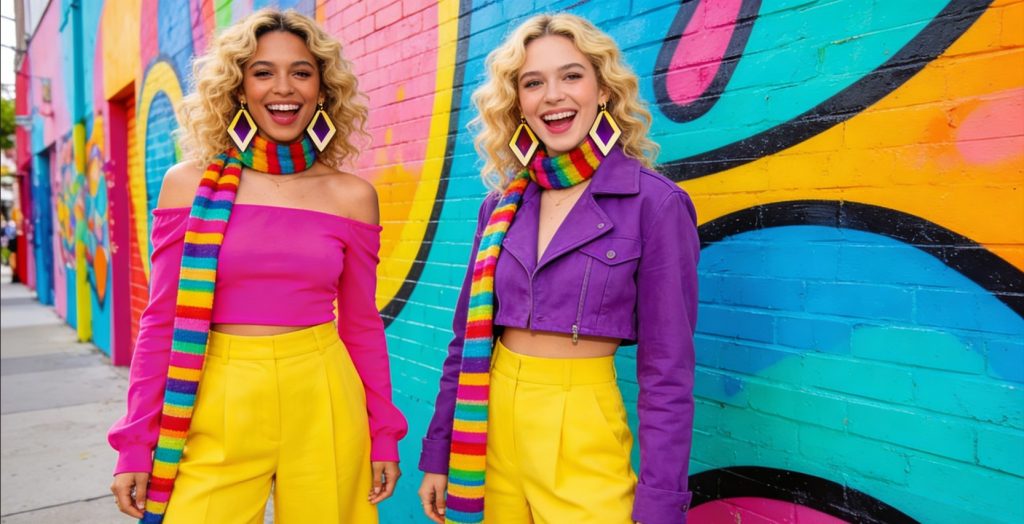
- Bold color clashing: Unexpected, eye-catching pairings (e.g., pink + purple, yellow + blue) that create visual excitement.
- Playful, whimsical details: Polka dots, floral prints, rainbow stripes, sequins and tulle—any element that feels fun and unapologetically joyful.
- Emotional intent: It’s not about random color splashes; it’s a deliberate choice to use clothing as a form of self-care and emotional expression.This style emerged as a cultural antidote to the post-pandemic mood. After years of subdued, comfort-focused loungewear, people craved vibrancy and reconnection. Dopamine dressing became a visual rebellion—a way to combat anxiety, celebrate life and declare a collective return to joy.
The Science: Why Bright Outfits Boost Your Mood
The magic of dopamine dressing lies in its grounding in neuroscience and color psychology. It’s not a myth; it’s a measurable physiological response.
1. Neural Pathway: Color → Vision → Dopamine
When your eyes perceive bright, saturated colors, light wavelengths stimulate retinal cells, which send signals to the brain’s limbic system—the region governing emotions. This triggers the release of dopamine, creating an immediate sense of pleasure and reward. Harvard studies confirm that individuals wearing vivid colors show 15–20% higher dopamine levels than those in neutrals.
2. Color Psychology: Emotional Codes
Each hue carries inherent psychological meaning, acting as a subtle emotional cue:
- Warm tones (red, orange, yellow): Energizing and uplifting. They combat lethargy, boost confidence and stimulate social engagement—perfect for beating the blues.
- Cool tones (blue, green, purple): Calming and balancing. They reduce stress and anxiety; a mint-green shirt can smooth a frazzled workday.
- Pink: Nurturing and soft. It evokes warmth and compassion, easing irritability and fostering self-love.
3. The Psychology of Agency
Choosing a bright, intentional outfit is an act of self-determination. In a world filled with external pressures, curating a joyful look gives you a sense of control—a small daily win that strengthens self-worth.
4. Social Feedback Loop
Bright clothing attracts positive attention—smiles, compliments, friendly interactions. This social reinforcement creates a feedback loop: your outfit sparks connection, which boosts happiness, making the bright choice feel even more rewarding.
2026 Trend: Dopamine Dressing Evolves—From Bold to Gentle
By 2026, dopamine dressing has matured beyond flashy neon overload, splitting into two complementary, highly wearable directions:
1. High-Saturation Bold Dopamine
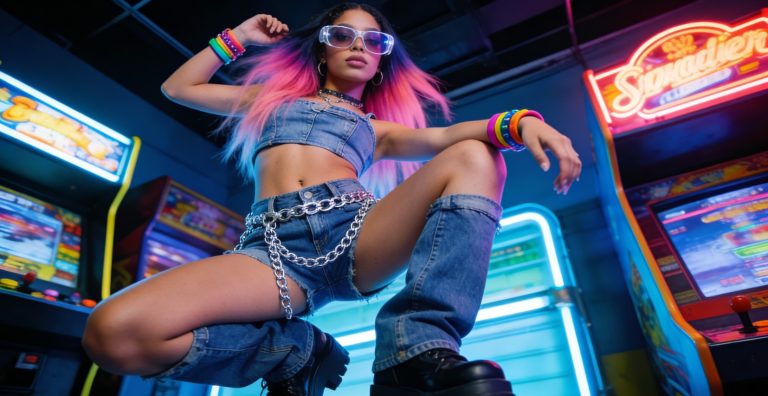
For maximalists and stage stars—unapologetically vivid hues and daring clashes. It’s about confidence and making a statement.
- Key colors: Hot pink, electric blue, tangerine, emerald.
2. Gentle Low-Saturation Dopamine (The Biggest 2026 Hit)
The “soft dopamine” revolution—pastels and muted tones that deliver calm joy without overwhelming the senses.
- Key colors: Frosty pink, creamy blue, taro purple, sage green.
2026 Runway & Street Highlights
- Year-round vibrancy: No longer just for summer—winter dopamine brings rich emerald, burnt orange and royal blue to knitwear and coats.
- Color + texture: Silky satins, fuzzy mohairs and glossy vinyls amplify color impact.
- Accessory dopamine: Even small hits—neon socks, a pink bag, multicolor jewelry—work to lift neutral outfits.
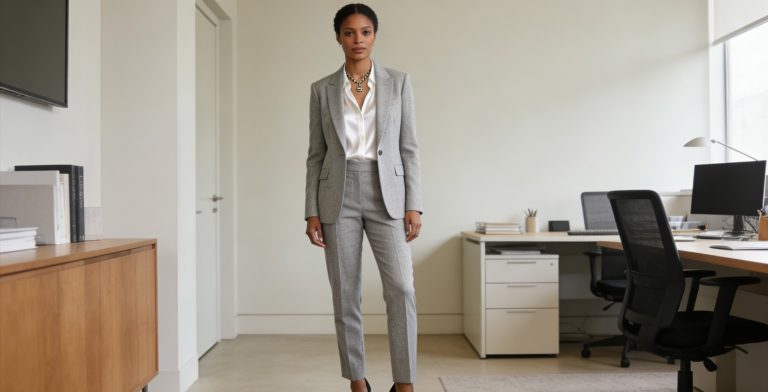
- Smart casual fusion: Tailored blazers in lemon yellow or sky-blue trousers bridge office polish and joyful color.
How to Master Dopamine Dressing: Practical Guide for Everyone
You don’t need a full rainbow to reap the benefits. These actionable tips make dopamine dressing easy and chic for daily life.
1. Start Small: The 10% Rule
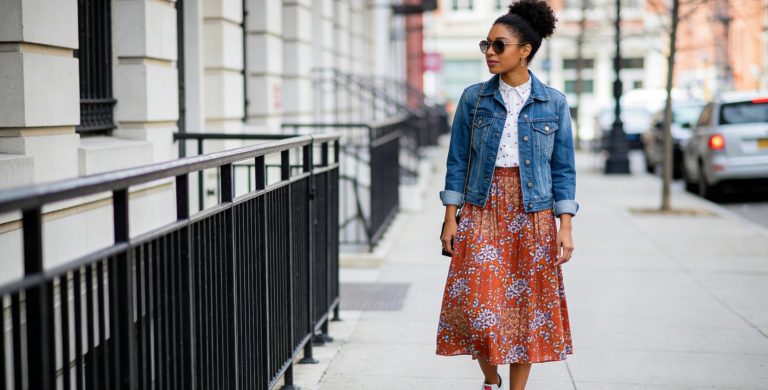
Beginners: Use brights as accents—shoes, bags, scarves, jewelry—to add energy without commitment. Example: A white shirt + jeans + red loafers + yellow earrings.
2. Neutral Buffer: The Key to Elegance
Pair brights with black, white, gray or khaki to tame chaos and add polish. Example: Pink sweater + white trousers; royal blue dress + nude heels.
3. Color Pairing Cheat Sheet
- Harmonious: Adjacent hues (orange + yellow, blue + green) — calm, cohesive.
- Complementary: Opposite hues (blue + orange, pink + green) — bold, eye-catching.
- Monochromatic: Tints/shades of one color — sophisticated, elongating.
4. Fit Your Mood & Scene
- Monday blues: Sunny yellow or bright orange to kickstart energy.
- Stressful workdays: Soft blue or sage green for calm focus.
- Weekends: Pink/purple for playful relaxation.
- Dates: Red/coral for confidence and allure.
5. Celebrate Skin Tones
- Warm (yellow/olive undertones): Orange, coral, mustard, olive green—rich and glowing.
- Cool (pink/blue undertones): Sapphire, fuchsia, mint, lavender—bright and clear.
- Neutral: Lucky—all hues work; experiment freely.
Celebrity & Icon Inspiration
A-list stars have embraced dopamine dressing as a signature, proving its versatility:
Dopamine Dressing: A Lifestyle of Inner Joy
More than fashion, dopamine dressing is a life philosophy—a commitment to choosing joy in small, daily acts.
In a world that often demands seriousness and restraint, choosing a bright outfit is an act of self-expression and resistance. It says: “I choose to see beauty, to feel alive, to celebrate myself.”
The beauty of this trend is its inclusivity. Regardless of age, body type or budget, anyone can tap into its power. A $10 neon hair tie, a thrifted orange blouse, a pink lipstick—all are acts of dopamine self-care.
Fashion psychologist Dawnn Karen puts it best: “When you dress in colors that make you happy, you’re not just wearing clothes—you’re wearing a mindset.”
Conclusion: Dress Yourself in Sunshine
As we navigate the complexities of modern life, dopamine dressing stands out as a simple, powerful tool for emotional resilience. It reminds us that beauty and joy aren’t luxuries—they’re necessities.
Today, skip the muted neutrals. Reach for that bright shirt, bold skirt or colorful accessory. Step outside, and feel the shift: the world looks brighter, your step lighter.
Dopamine dressing isn’t just about what you wear—it’s about how you live. It’s choosing to turn every day into a canvas, and every outfit into a splash of happiness.
So go ahead—dress for joy. Your brain (and your mood) will thank you.
About the Author