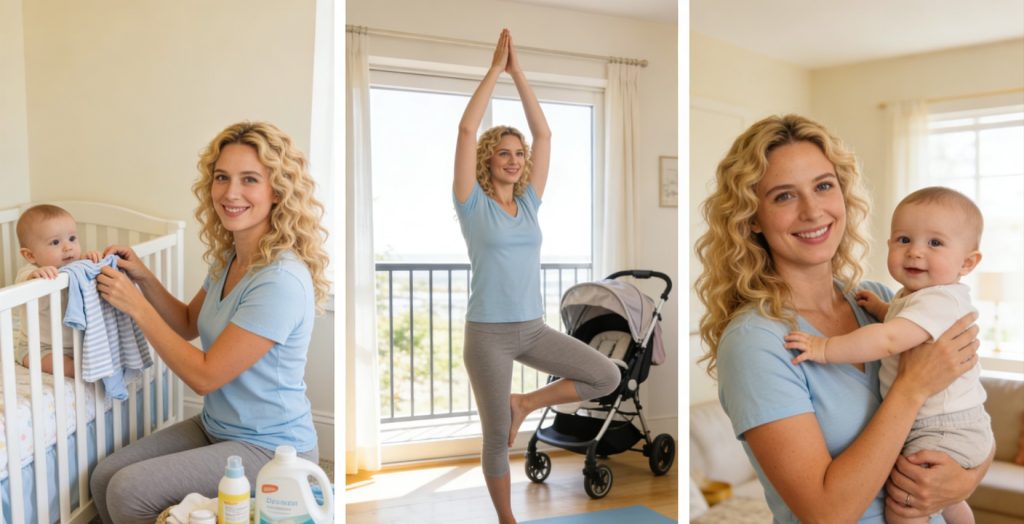
Welcoming a baby is one of life’s most beautiful miracles—but for new moms, postpartum recovery can feel overwhelming, exhausting, and full of unknowns. In 2026, postpartum care has moved far beyond old-fashioned “bed rest and heavy soups.” Today’s recovery focuses on personalized, gentle, science-backed self-care that honors your body, protects your long-term health, and helps you feel like yourself again—without burnout, guilt, or unnecessary pressure. This complete guide covers trending, practical, and kind recovery tips to support you physically and emotionally in the critical first months.
1. Understand Your Recovery Timeline: Follow the Golden Windows
Modern postpartum care is built around three evidence-based recovery phases—no rushing, no skipping steps.
- 0–6 Weeks: Foundation HealingYour priority is wound repair, uterine involution, pain relief, and gentle reactivation. Avoid heavy exercise, heavy lifting, and intense core work. Focus on rest, hydration, and light movement like walking and diaphragmatic breathing.
- 6 Weeks–6 Months: Diamond Reconstruction PeriodThis is when tissue elasticity and muscle repair are at their peak. With doctor clearance, begin targeted pelvic floor, core, and posture work. Most moms see the fastest, most sustainable results in this window.
- 6–12 Months: Full-Body RefinementBuild strength, improve stamina, and restore metabolic balance. Focus on low-impact cardio, functional fitness, and mental wellness rather than extreme dieting.
Trend note: More women are choosing pre-delivery recovery planning—discussing birth preferences, pain management, and early rehab with their care team to start recovery smoothly.
2. Pelvic Floor Health: Non-Negotiable for Long-Term Wellness
Pelvic floor care is no longer a “luxury”—it’s a medical necessity. Weakness can lead to incontinence, pressure, or prolapse, but consistent, gentle training makes a huge difference.
- Start early, start softWithin 24 hours after birth (vaginal or cesarean), begin slow Kegel contractions: squeeze for 3–5 seconds, relax for 5–10 seconds. Do 10 reps, 3 sets daily.
- Use smart toolsAt-home pelvic floor trainers with biofeedback help you engage the right muscles without straining—popular in 2026 for safe, consistent practice.
- Get professional supportIf you experience leakage, heaviness, or weak contractions, see a pelvic floor physical therapist. Many regions now cover basic rehab under insurance or public health benefits.
Avoid: Jumping, running, heavy squats, or crunches before 3 months postpartum—these put dangerous pressure on an already weakened pelvic floor.
3. Core Recovery: Fix Diastasis Recti the Right Way
A poochy belly is rarely “baby fat”—it’s often diastasis recti (abdominal separation). Fixing it safely avoids back pain and permanent weakening.
- Test at homeLie on your back, knees bent. Lift your head slightly and feel the space above and below your belly button. A gap of 2+ fingers means separation.
- Skip crunches and planks early onThese worsen separation. Instead, practice diaphragmatic breathing, gentle heel taps, and bird-dogs to activate deep core muscles.
- Support your coreWear a breathable, flexible postpartum belly band in the first 4–6 weeks to reduce strain and support posture—not to “slim down.”
Trend shift: Moms now prioritize function over flatness—strong, stable cores improve daily movement, breastfeeding posture, and reduce back pain.
4. Gentle, Effective Movement: Fitness That Fits Motherhood
2026’s top postpartum fitness trend is micro-movement: short, intentional sessions that fit between feedings and naps.
- First 6 weeksDaily 10–15 minute walks, ankle pumps to prevent blood clots, shoulder rolls, and neck stretches to ease breastfeeding tension.
- After 6 weeks (cleared by doctor)Try postnatal yoga, reformer Pilates, swimming, or cycling. These build strength without impact.
- Move with your babyBaby-wearing walks, gentle dance sessions, or floor play that doubles as strength training keep you active and connected.
Rule: Never exercise through pain. Soreness is normal; stabbing pain, pressure, or heavy bleeding means stop and rest.
5. Smart Nutrition: Nourish, Don’t Punish
Forget extreme diets. Postpartum eating is about healing, milk supply, energy, and mood—all without overeating.
- Prioritize protein & fiberChicken, fish, eggs, beans, Greek yogurt, and leafy greens support tissue repair and steady energy.
- Hydrate like it’s your jobNursing moms need 2.5–3L of fluid daily. Add electrolytes in hot weather or after activity.
- Eat small, frequent mealsStabilize blood sugar and avoid fatigue. Keep snacks handy: nuts, fruit, cheese, hard-boiled eggs.
- Skip the “super tonic” trapHeavy broths and excessive ginseng can cause bloating, blocked ducts, or discomfort. Moderation and balance work best.
Trending: Postpartum smoothies with collagen, oats, and chia—easy to make, gentle on digestion, and supportive for recovery.
6. Scar & Body Care: Comfort and Confidence
Whether vaginal or cesarean, gentle care reduces itching, thickening, and discomfort.
- C-section scarsKeep the area clean and dry. After 2–3 weeks, use medical-grade silicone gel or patches to soften scar tissue. Avoid scrubbing.
- Perineal careUse a squirt bottle with warm water after using the bathroom. Cold packs reduce swelling in the first week; warm sitz baths boost healing after.
- Skin & stretch marksMoisturize with fragrance-free lotion or oil. Stay hydrated and support skin elasticity with nutrient-dense food.
Modern mindset: Stretch marks and scars are stories of strength—not flaws. Self-love is the ultimate glow-up.
7. Sleep & Energy: Survive (and Thrive) on Fragmented Rest
Sleep deprivation is real—but small habits make a massive difference.
- Sleep when the baby sleepsEven 20-minute naps add up. Put off chores; your recovery matters more.
- Create a calm sleep spaceDim lights, white noise, and comfortable bedding help you fall asleep faster.
- Share nighttime dutiesLet your partner handle diaper changes or bottle feeds so you can rest longer.
Trend: Nighttime self-care mini-routines—5 minutes of deep breathing or gentle stretching before bed to lower stress and improve sleep quality.
8. Mental & Emotional Recovery: Your Mind Matters Too
Postpartum mood shifts are normal, but your mental health deserves the same care as your body.
- Normalize the “fourth trimester”It’s okay to feel overwhelmed, tearful, or anxious. This is a huge life transition.
- Talk it outShare feelings with your partner, family, or a trusted friend. Join a new-mom support group for real connection.
- Watch for red flagsPersistent sadness, loss of appetite, panic, or thoughts of harming yourself or baby require immediate professional help. Postpartum depression is treatable—you don’t have to suffer alone.
- Claim small joysA warm drink, a favorite show, a quick walk outside—tiny moments recharge your mood.
2026 priority: Mental health is part of recovery, not an afterthought. Many hospitals now include emotional check-ins in standard postpartum care.
9. Postpartum Checkups: Your Non-Negotiable Health Plan
The 6-week checkup is not a formality—it’s your roadmap to safe recovery.
- What to assessUterine recovery, pelvic floor function, diastasis recti, scar healing, blood pressure, mood, and breastfeeding support.
- Ask questionsDiscuss exercise, birth control, nutrition, and any lingering symptoms. Your provider guides your next steps.
- Don’t skip follow-upsIf you have pain, heavy bleeding, or mood changes, reach out before your appointment. Early support prevents bigger issues.
10. Avoid Common Postpartum Mistakes
- Rushing back to intense exercise
- Ignoring pelvic floor symptoms
- Overeating to “boost milk supply”
- Comparing your body or timeline to others
- Putting everyone else’s needs before your own
- Avoiding help because “you should handle it”
Recovery is not a race. Every body heals at its own pace.
Final Thoughts: Recovery Is Self-Love, Not Self-Correction
In 2026, postpartum recovery means honoring your body for creating and nurturing life. It means patience, grace, and small, consistent steps—not perfection. You grew a human. Your body did something extraordinary.
Be kind to yourself. Ask for help. Celebrate every small win. You are not just recovering—you are rising.
About the Author